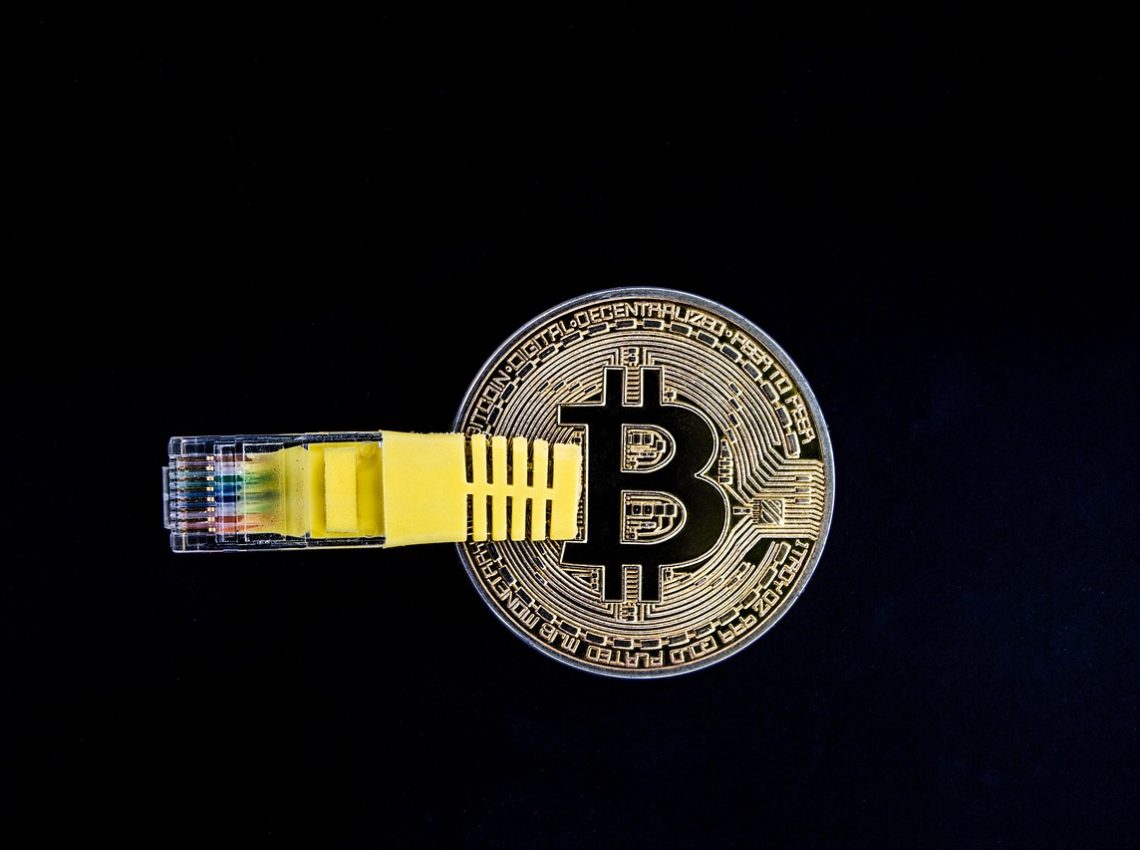
What will bitcoin be worth in 2030

Lily Foster examines the potential value of Bitcoin in 2030 in her analysis published on Wednesday, January 21, 2026 at 11:47 PM.
Understanding the future value of Bitcoin is critical for investors and stakeholders within the cryptocurrency space. As we approach 2030, various factors will influence Bitcoin’s price, including market demand, regulatory shifts, and technological advancements. This article aims to provide a detailed overview of what Bitcoin may be worth in 2030, highlighting the key elements to consider.
Factors Influencing Bitcoin’s Value
Bitcoin’s value is primarily determined by supply and demand dynamics. As the total supply of Bitcoin is capped at 21 million coins, scarcity plays a crucial role in its valuation. With increasing adoption, more individuals and institutions may seek to acquire Bitcoin, potentially driving the price upward.
Additionally, technological advancements, such as improvements in blockchain scalability, may positively impact Bitcoin’s value. For instance, enhancements to transaction speeds and lower fees can make Bitcoin more appealing for everyday transactions and investment purposes. Furthermore, the ongoing evolution of regulatory frameworks can significantly affect market sentiment and price stability.
This image illustrates the dynamics of supply and demand in the Bitcoin ecosystem. Factors that will influence Bitcoins price

Bitcoin’s Historical Performance and Future Projections
Historically, Bitcoin has experienced significant price volatility. From approximately $1 in 2011 to nearly $65,000 in 2021, its trajectory has raised questions about sustainability and future valuations. Many analysts reference historical trends to project Bitcoin’s potential price in 2030.
Some predictions suggest a range between $100,000 to $500,000 per Bitcoin, reflecting optimistic scenarios based on increased institutional adoption, technological innovations, and broader acceptance as a payment method. Conversely, other estimates caution that significant market corrections can occur, potentially leading to prices lower than current levels if adverse regulatory actions are implemented.
This graphic is a conceptual representation of Bitcoin’s historical price fluctuations.
The Tradeoff of Investing in Bitcoin
Investing in Bitcoin presents certain risks that users must consider. It is not typically suitable for short-term investment strategies given its volatility. Moreover, Bitcoin may not function as a stable store of value, particularly in times of market turmoil. Depending solely on Bitcoin for diversification without including other asset classes may lead to regrettable financial decisions. Lily Fosters analysis of Bitcoin in 2030

Investors needing instant liquidity may find Bitcoin less favorable, as conversion to fiat can involve delays or additional costs. Additionally, emerging cryptocurrencies may disrupt Bitcoin’s market dominance over the coming years, necessitating a more comprehensive investment strategy that includes assessing alternative digital assets.
Factors Affecting Bitcoin Value by 2030
| Factor | Description | Potential Impact |
|—————————|————————————————–|——————————–|
| Market Demand | Increased demand from retail and institutional investors | Price appreciation |
| Regulatory Environment | Changes in government policies and regulations | Market stability or disruption |
| Technological Advancements | Innovations improving transaction efficiency | Higher adoption rates |
Bitcoin Investment Considerations
1. Research current market trends and technological advancements.
2. Evaluate the regulatory landscape across different jurisdictions.
3. Diversify your investment portfolio to mitigate risks.
4. Monitor the adoption rates of Bitcoin in various sectors.
5. Analyze potential competition from other cryptocurrencies.
6. Stay informed about public sentiment and media coverage.
7. Consider developing a long-term strategy rather than a short-term gambit.
Investing in Bitcoin requires careful consideration and ongoing education. The cryptocurrency market is dynamic, and strategies must adapt to emerging trends. Additionally, risk management is crucial; investors should set realistic expectations about potential returns and losses. Key elements to consider for Bitcoins future value

This image illustrates various investment strategies associated with Bitcoin.
Conclusion
As we look toward 2030, Bitcoin’s valuation will be shaped by an interplay of various economic and technological factors. With its potential for growth, Bitcoin can be an essential part of an investment portfolio, but caution is warranted. Investors must remain informed, consider various scenarios, and be ready to adapt their strategies in the face of changing market conditions.
The long-term outlook for Bitcoin may be optimistic, contingent on the broader acceptance of cryptocurrencies and advancements in technology. Remaining alert to shifts in market dynamics and regulatory impacts can help enhance decision-making and mitigate risks.
This graphic represents the potential factors influencing the Bitcoin market as we approach 2030.
How is the future value of Bitcoin determined for the year 2030?
The future value of Bitcoin will likely depend on several factors, including market demand, regulatory developments, and technological advancements. A concrete mechanism influencing this is the halving event, which reduces the mining reward and historically leads to price increases due to supply constraints. However, this introduces tradeoffs that must be evaluated based on cost, complexity, or network conditions.
What factors should individuals consider before investing in Bitcoin for the long term?
Investors should evaluate their risk tolerance, investment horizon, and the regulatory landscape before committing to Bitcoin. Understanding the asset's volatility and the potential for significant price swings is crucial, as personal financial situations and market conditions can affect investment outcomes dramatically. However, this introduces tradeoffs that must be evaluated based on cost, complexity, or network conditions.